Is Modern Israel The Biblical Israel? (Scripture Over Speculation)
• If God doesn't keep His promises to Israel, then why would He keep His promises to us?
• Denying Israel isn't always about the land—sometimes it's about lordship.
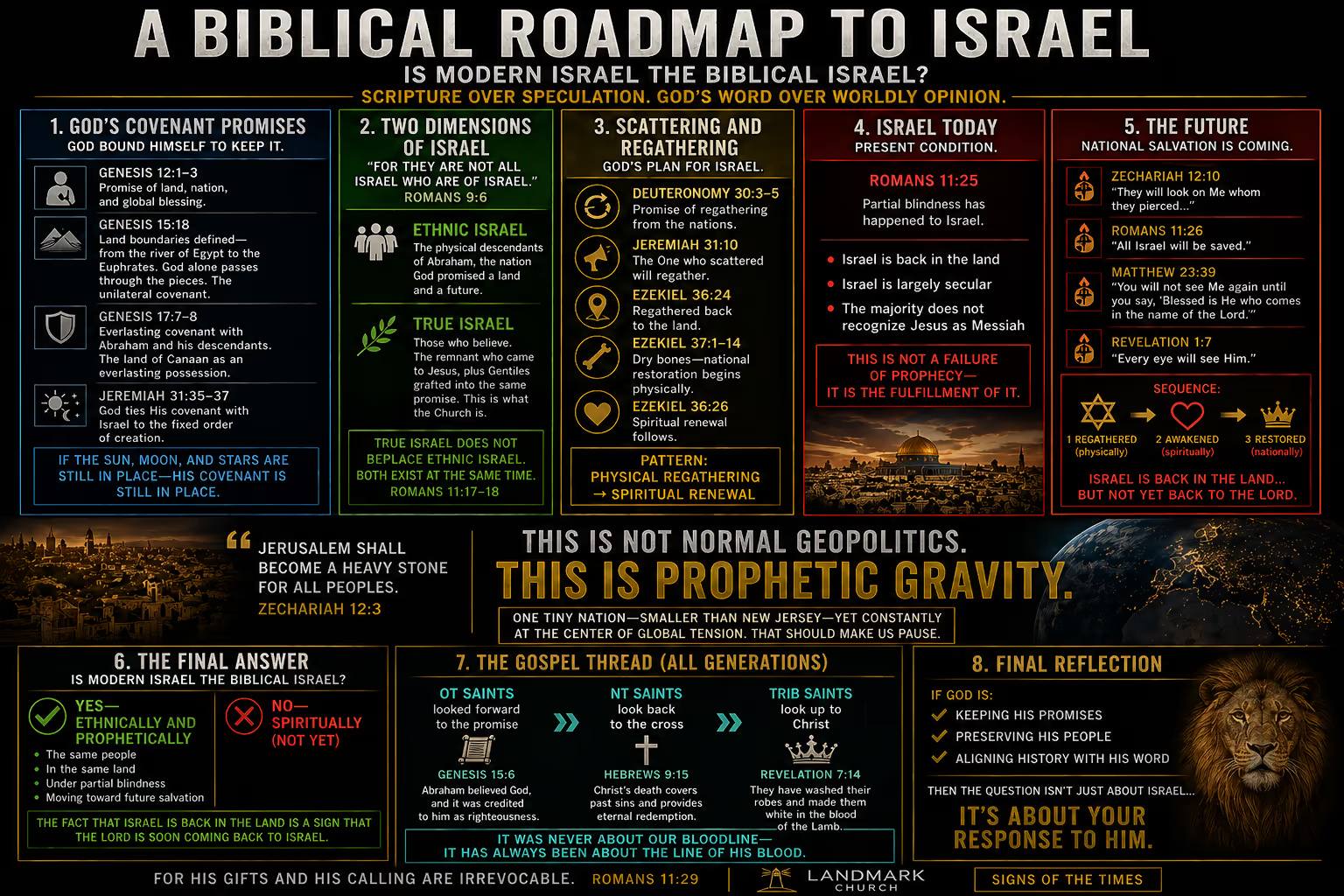
For they are not all Israel who are of Israel. — Romans 9:6
• It was never about our bloodline—it has always been about the line of His blood.
• Genesis 12:1-3 → Promise Given
• Genesis 15:18 → Covenant Cut
• Genesis 17:7-8 → Everlasting Commitment
• If the everlasting covenant is negotiable, so is everything else in the Bible.
Thus says the Lord, Who gives the sun for a light by day, the ordinances of the moon and the stars for a light by night, Who disturbs the sea, and its waves roar (The Lord of hosts is His name): "If those ordinances depart from before Me, says the Lord, then the seed of Israel shall also cease from being a nation before Me forever." Thus says the Lord: "If heaven above can be measured, and the foundations of the earth searched out beneath, I will also cast off all the seed of Israel for all that they have done, says the Lord. — Jeremiah 31:35-37
• God brings them back to the land before He brings them back to Himself.
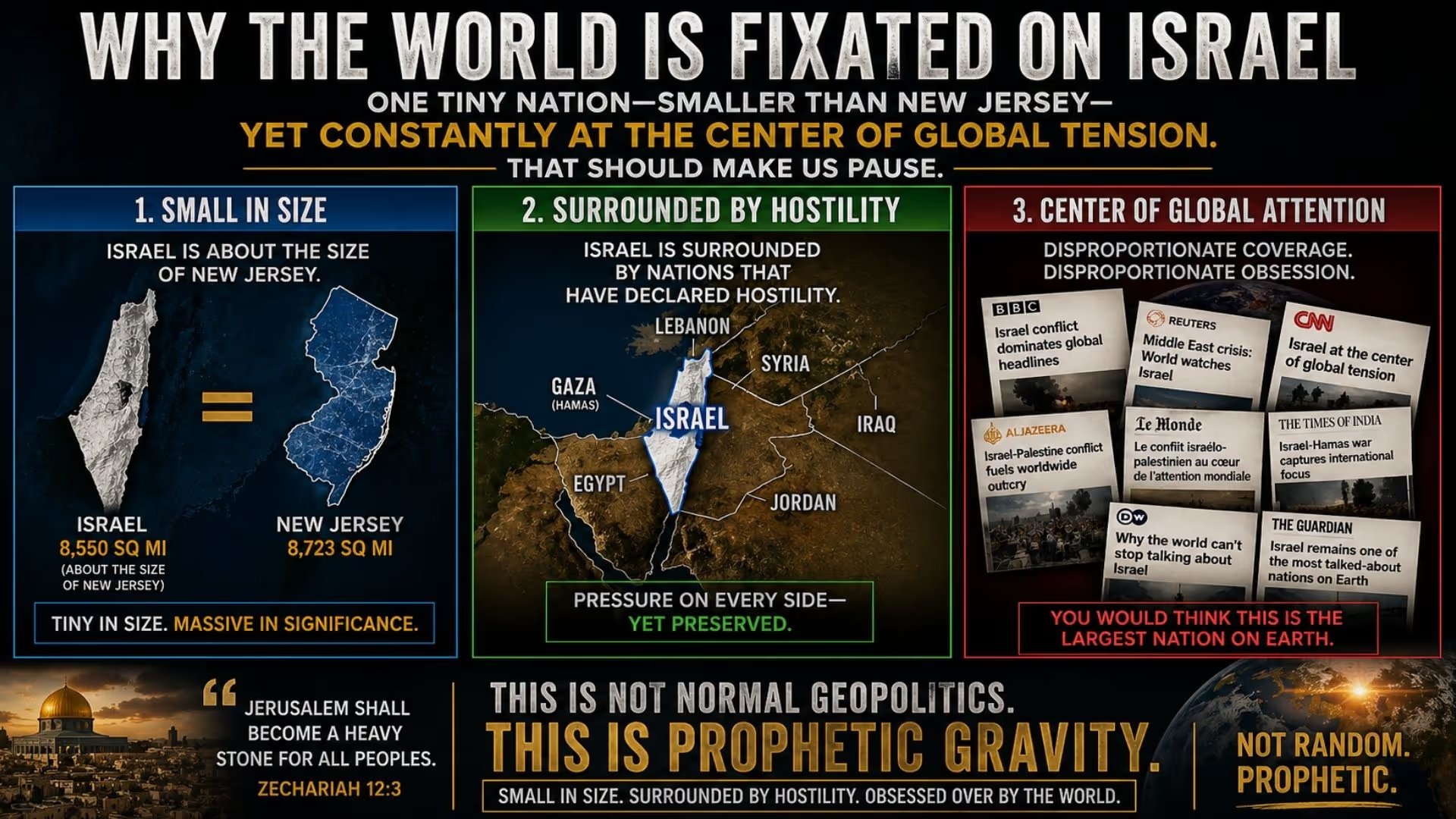
Behold, I will make Jerusalem a cup of drunkenness to all the surrounding peoples, when they lay siege against Judah and Jerusalem. And it shall happen in that day that I will make Jerusalem a very heavy stone for all peoples; all who would heave it away will surely be cut in pieces, though all nations of the earth are gathered against it. — Zechariah 12:2-3
For I do not desire, brethren, that you should be ignorant of this mystery, lest you should be wise in your own opinion, that blindness in part has happened to Israel until the fullness of the Gentiles has come in. — Romans 11:25
• The fact that Israel is back in the land is a sign that the Lord is soon coming back to Israel.
Discussion Questions
1. The sermon opens with the question: "If God doesn't keep His promises to Israel, then why would He keep His promises to us?" How does God's faithfulness to Israel — even through centuries of disobedience and exile — shape the way you personally trust His promises in your own life?
2. Genesis 12, 15, and 17 show God making, cutting, and reaffirming an everlasting covenant with Israel. What does it mean to you that God's covenant was described as "everlasting" — and how does that word challenge the idea that His promises can be revoked or replaced?
3. Romans 9:6 says "they are not all Israel who are of Israel," and the message emphasized that belonging to God has always been about the line of His blood, not bloodline. How does this truth change the way you understand your own identity and standing before God?
4. Jeremiah 31:35–37 ties God's commitment to Israel to the stability of the sun, moon, and stars. Why do you think God used the created order as a measuring stick for His covenant faithfulness — and what does that level of certainty mean for how we read the rest of Scripture?
5. The message closes with the observation that Israel being back in the land is a sign that the Lord is soon returning. How does awareness of biblical prophecy being fulfilled in real time affect the urgency with which you live out your faith today?